


Small Choices, Big Impact: Lifestyle Habits That Help Prevent Colorectal Cancer
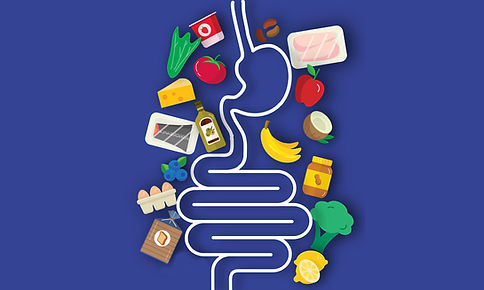
When it comes to colorectal cancer, prevention isn’t about one perfect decision—it’s about the small choices you make every day. From what you eat to how often you move, your lifestyle plays a powerful role in lowering your risk. The good news? Many of these habits are simple, realistic, and completely within your control.
According to the American Cancer Society, a significant portion of colorectal cancer cases are linked to lifestyle factors. This means that everyday habits—like diet, exercise, and alcohol consumption—can either increase or decrease your risk over time.
Think of your lifestyle as a long-term investment in your health. The choices you make today can help protect your colon for years to come.
Regular physical activity is one of the most effective ways to reduce your risk of colorectal cancer. Exercise helps your digestive system function more efficiently and can reduce inflammation in the body.
You don’t need an intense gym routine to make a difference.
Try:
● Going for a 30-minute walk each day
● Taking the stairs instead of the elevator
● Staying active with hobbies like biking, dancing, or even yard work
Even small increases in activity can have a meaningful impact.
Body weight is closely tied to colorectal cancer risk. Carrying excess weight—especially around the abdomen—can increase inflammation and affect hormone levels, both of which may contribute to cancer development.
Instead of focusing on strict dieting, aim for balance:
● Eat consistent, nourishing meals
● Stay active throughout the week
● Focus on long-term habits rather than quick fixes
Alcohol and tobacco use are both linked to a higher risk of colorectal cancer.
● Alcohol: Try to limit intake to moderate levels (or avoid it altogether when possible).
● Tobacco: Smoking is associated with many cancers, including colorectal
cancer—quitting is one of the best things you can do for your overall health.
If cutting back feels overwhelming, start small. Even reducing use can make a difference over time.
What you eat plays a major role in colon health. Diets high in red and processed meats have been linked to increased risk, while plant-based, fiber-rich foods help protect your digestive system.
A balanced approach might include:
● More fruits and vegetables
● Whole grains instead of refined grains
● Lean proteins like chicken or beans
● Plenty of water to support digestion
Don’t Forget Screening
Lifestyle changes are powerful, but they work best when combined with regular screenings. Detecting colorectal cancer early, or even preventing it by removing precancerous polyps, can save lives.
Talk to your healthcare provider about when you should begin screening, especially if you have a family history or other risk factors.
The Bottom Line
Preventing colorectal cancer doesn’t require perfection. It starts with simple, consistent habits—moving your body, eating well, limiting harmful substances, and staying proactive about your health.
Each small choice adds up. And over time, those choices can make a life changing difference.


Comments